Communication is fundamental.
United in support of the human, civil, and legal rights of people with disabilities to choose their most effective methods of communication.
United in support of the human, civil, and legal rights of people with disabilities to choose their most effective methods of communication.
Devoted to
A small group of influential people — several with vested financial interests — have been successful in pressuring a few powerful private organizations and media outlets to question the output of all nonspeaking autistic people who have learned to communicate using language — even those who have learned to type without any kind of physical support.
United for Communication Choice is a grassroots effort organized in 2018 by individuals with disabilities, their families, and allies to defend and protect the human, civil, and legal rights of children and adults with disabilities to choose their most effective methods of communication. We do not promote or endorse any of the methods that exist to teach people with motor disabilities how to type independently; we simply stand for the proposition that it is critically important that everyone be given access to effective, language-based communication. And that if they choose to use certain teaching methods, it is their legal right to do so. Effective communication is essential to dignity, education, inclusion, autonomy, and self-determination.
***
This 2022 interview by The Thinking Person’s Guide to Autism explains some of the flaws behind the ASHA position statements and other attempts to prevent nonspeaking autistic people from gaining access to effective communication.
In 2026, the journal of Autism Research invited prominent autism researchers to explain why more research is needed on these topics, not less.
In this 2026 podcast, hear from two prominent SLPs about how ASHA defines “evidence-based practice” and how that term has been manipulated and even weaponized in some cases.
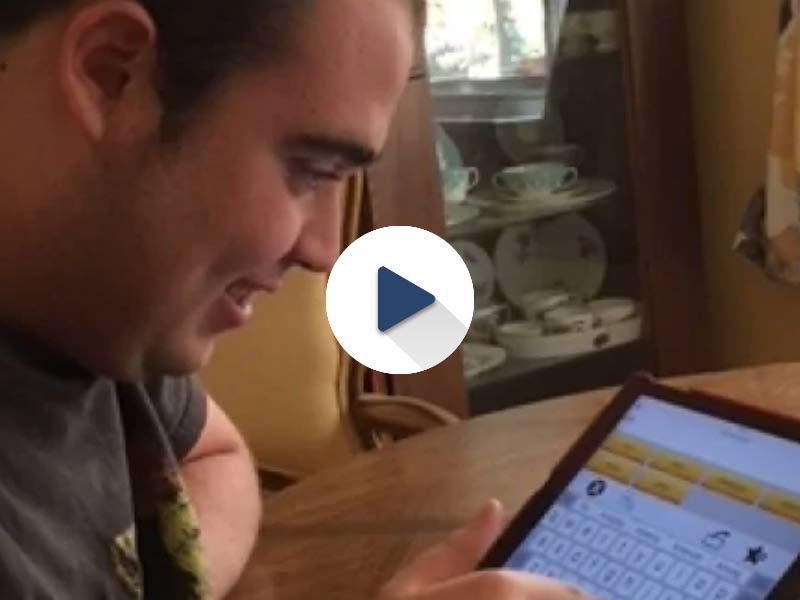
Communication is a basic human right: how this man with non verbal autism found his voice
Canadian Broadcasting Corporation
March 2, 2018
Faith, Hope, and Love…With Autism, written by Philip Reyes, details his journey to open communication through the RPM method. Philip discusses his personal experiences and autism, as well as issues pertaining to the autistic and non-speaking community at large.
“Cutting off access to one form of communication, in the absence of other methods that are equally effective for that individual, is unethical and harmful. Although we agree that far too many non-speaking people have not been offered communication supports that are evidence-based and effective, taking away communication options is not the answer.”
– Autistic Self Advocacy Network, July 2, 2018
Autism: The Movement Perspective
Torres, E.B., & Donnellan, A.M., eds. (2013-2015)
Frontiers in Integrative Neuroscience
Compiles 38 peer-reviewed articles published by 91 authors between 2013 and 2015 that support the idea that movement and sensory differences are core features of autism.
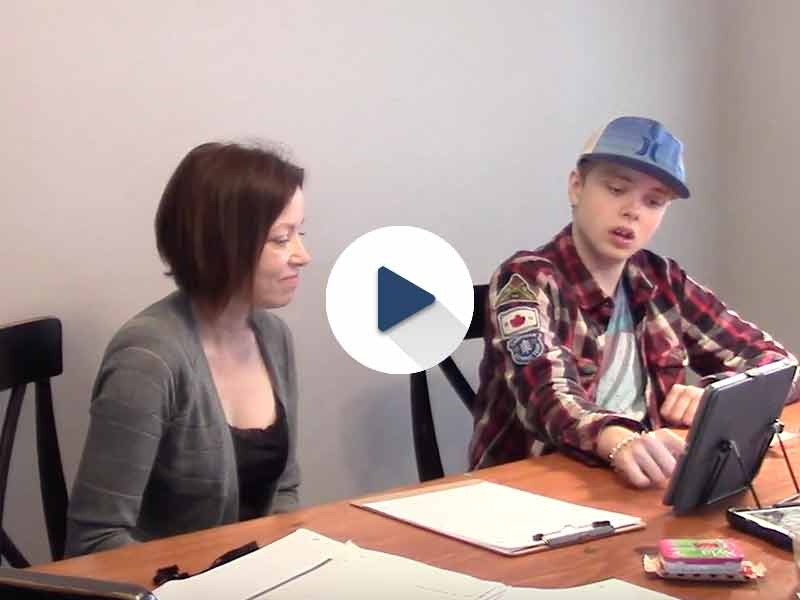
Damon Kirsebom, “When People See Me Typing”
June 11, 2018
In this video, a 17-year-old British Columbia resident Damon Kirsebom types the following: “When people see me typing, they always realize I am really authentically expressing my own thoughts. No tricks here, people.”
“My special education teachers should have taught me typing instead of trying to restrict me to the dozen picture icons they decided I needed. Of course, other autism issues such as sensory dysregulation can make the act of typing itself hard. I am still a one-finger typer for the most part, and it took me a really long time to type out this one article.”
– Hari Srinivasan
University of California Berkeley student, “The Communication Conundrum,” in The Daily Cal, February 15, 2018
Public entities shall “ensure that communications with [individuals] with disabilities are as effective as communications with others”